In the fast-paced realm of digital marketing, web 2.0 backlinks have emerged as a groundbreaking approach to elevating search engine rankings. Unlike conventional links, these backlinks tap into user-generated platforms, allowing your content to expand its reach organically. For marketers seeking to dominate their niche, mastering web 2.0 backlinks can propel your SEO strategy forward and ignite meaningful traffic growth.
What Are Web 2.0 Backlinks?
Web 2.0 backlinks are links sourced from platforms that let users publish and share their own content, such as blogs, social networks, and content-sharing websites. These backlinks immerse your site into active communities, creating opportunities for organic engagement. By strategically embedding links within valuable content, your website doesn’t just exist—it flourishes across credible digital ecosystems.
Why Web 2.0 Backlinks Are Important
Search engines continually analyze backlinks to determine a site’s authority. Web 2.0 backlinks provide several advantages:
- Diversify your link profile to prevent overreliance on a few sources.
- Attract targeted traffic from communities actively interested in your niche.
- Enhance domain authority as search engines recognize multiple trustworthy sources linking to your site.
How to Get Web 2.0 Backlinks
Building web 2.0 backlinks is less about volume and more about strategic execution. Here’s a step--step guide to cultivating high-quality links:
1. Explore High-Authority Web 2.0 Platforms
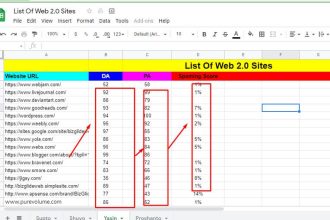
Begin scouting platforms such as WordPress.com, Blogger, Medium, or Wix. Prioritize sites with strong domain authority and active audiences to maximize the impact of your backlinks.
2. Produce Unique, Engaging Content
Create posts that address common challenges or deliver actionable insights. Integrate backlinks naturally to enrich your content without appearing forced, boosting both credibility and search engine relevance.
3. Optimize Anchor Text
Vary anchor text to avoid redundancy. Seamlessly incorporate “web 2.0 backlinks” into sentences to reinforce context while maintaining readability and SEO value.
4. Interlink Within Your Web 2.0 Pages
Use internal links to channel authority across your web 2.0 pages. This approach magnifies the effect of your backlinks while keeping readers engaged within your content ecosystem.
5. Maintain Consistency and Track Performance
Regularly update your web 2.0 properties with fresh content. Monitor traffic, engagement, and rankings to ensure your backlinks continue to resonate with search engine algorithms.
Best Practices for Web 2.0 Backlinks
- Prioritize quality over quantity: A few authoritative backlinks can outperform a large number of low-quality links.
- Avoid spammy tactics: Keyword stuffing or duplicate content can undermine your SEO efforts.
- Engage with the community: Comment, share, and interact to strengthen the natural presence of your backlinks.
Conclusion
Web 2.0 backlinks have cemented their role as a vital component of modern SEO, offering marketers the ability to amplify their online footprint through credible, interactive platforms. By crafting high-quality content, strategically embedding backlinks, and actively engaging with digital communities, your website can ascend search engine rankings. Embracing web 2.0 backlinks is no longer optional—it’s a strategic necessity for any marketer aiming to outperform competitors.
Frequently Asked Questions (FAQs)
Q1: Are web 2.0 backlinks safe for SEO?
Yes. When executed properly, web 2.0 backlinks are considered a white-hat strategy that bolsters your site’s authority.
Q2: How long does it take to see results from web 2.0 backlinks?
Results vary depending on content quality and platform authority, typically emerging within a few weeks to months.
Q3: Can web 2.0 backlinks be created for free?
Absolutely. Platforms like Medium, Blogger, and WordPress.com allow free accounts. Success depends on investing effort into valuable content.
Q4: How many web 2.0 backlinks should I build?
Focus on quality over quantity. A small number of authoritative backlinks can outshine dozens of low-quality links.
Q5: Should I use the same anchor text repeatedly?
No. Using varied anchor text helps maintain naturalness and prevents search engine penalties.