If you’ve been poking around SEO forums or testing older ranking tactics, you’ve probably stumbled across web 2.0 backlinks at some point. This method once felt like a digital cheat code—fast, scalable, and almost suspiciously easy. Today, it still exists in a more refined form, but the difference between success and penalty comes down to execution, restraint, and realism.
Done poorly, it looks like spam fireworks exploding in Google’s face. Done properly, it becomes a quiet support layer that strengthens your site’s authority profile without drawing unwanted attention.
Understanding the concept without overcomplicating it
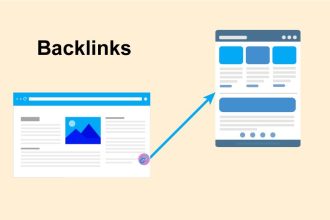
At its core, this strategy is about creating content on third-party publishing platforms where you control the page and can place contextual links back to your main website. Think of it as building miniature satellite pages that orbit your primary domain.
The key idea is not volume—it’s relevance, structure, and editorial-like presentation. Search engines today are far more sensitive to patterns that resemble mass-produced link dumping, so the goal has shifted toward authenticity and natural integration rather than raw output.
The safe way to build these assets without triggering spam signals
The safest approach is to treat each property like a real micro-blog instead of a link container.
Start with unique branding per profile. Don’t reuse identical usernames, bios, or themes across platforms. Each page should feel like it belongs to a different creator with a distinct purpose.
Publish a small set of meaningful posts before placing any outbound references. Ideally, the content should read like helpful commentary, guides, or opinion pieces—not promotional blurbs.
When you do add a link, keep it contextual inside a sentence rather than isolated in a footer or sidebar. Google tends to reward editorial placement far more than structural repetition.
Avoid automation tools that mass-create accounts or duplicate content. That pattern is one of the fastest ways to nullify any potential value.
Platforms commonly used for this strategy
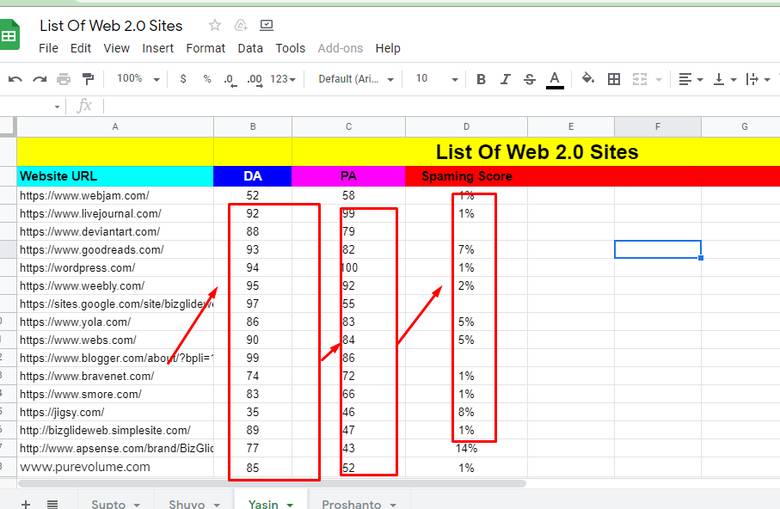
These publishing networks are often chosen because they allow free content creation and index quickly in search engines:
- WordPress.com – Strong authority foundation and flexible publishing structure
- Blogger – Fast indexing and simple setup with Google ecosystem integration
- Tumblr – Lightweight posting system with decent crawl frequency
- Medium – High trust domain with editorial-style formatting
- Weebly – Drag-and-drop builder that allows basic site creation
- Wix – Flexible design options and indexable pages when configured correctly
- Substack – letter-driven publishing that can also rank in search results
Each platform behaves differently in terms of indexing speed, trust signals, and long-term stability, so diversification matters more than repetition.
A realistic example of how a backlink might appear
Imagine a short article published on a personal blog about beginner SEO tips. Within the content, there might be a sentence like:
“When building foundational authority, it helps to reference trusted resources that explain link earning strategies in detail, such as your main website guide on topic relevance.”
In this case, the link is embedded naturally inside informational writing rather than being shoved into a standalone promotional block. That subtlety is what separates effective implementation from obvious manipulation.
Are these links still worth it today?
The honest answer: yes, but only as a supporting tactic—not a primary strategy. To view a case study that proves web 2.0 backlinks work in 2026 go to https://rankersparadise.com/how-to-use-web-2-0-sites-for-backlinks/.
Search algorithms have become extremely good at detecting patterns of artificial amplification. That means these links alone rarely move rankings significantly anymore. However, they can still contribute value when used to:
- Diversify backlink sources
- Support indexing of new pages
- Reinforce topical relevance clusters
- Build early-stage visibility for fresh domains
On their own, they are not powerful enough to compete with editorial links from real publications, niche authority sites, or organic mentions. But as part of a broader ecosystem, they still have a role—just a quieter one than in the past.
Final thoughts
Treat this approach like seasoning, not the main dish. A few well-crafted supporting pages can add depth to your link profile, but overuse turns everything artificial. The modern SEO landscape rewards restraint, context, and credibility far more than volume-driven tactics.
Build slowly, write like a real person is behind each page, and focus on creating something that wouldn’t look out of place if a stranger stumbled across it without any SEO context at all.