The Invisible Architecture of Search Authority
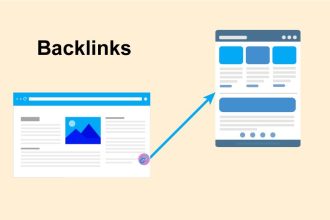
Search engines don’t “rank websites” in the way most people imagine. Instead, they continuously reinterpret signals of trust, relevance, and reputation across billions of pages. Among these signals, inbound references from other domains remain one of the strongest indicators of authority.
But the landscape has shifted. What once worked through simple link exchanges has evolved into a tightly scrutinized ecosystem where intent, context, and pattern recognition matter just as much as the links themselves.
Why Links Still Shape Visibility in Competitive Niches
Even with advances in machine learning, backlinks continue to function as credibility markers. However, modern systems evaluate far more than raw quantity. To buy backlinks that are high quality you have to see this.
Key factors now include:
- The topical alignment between sites
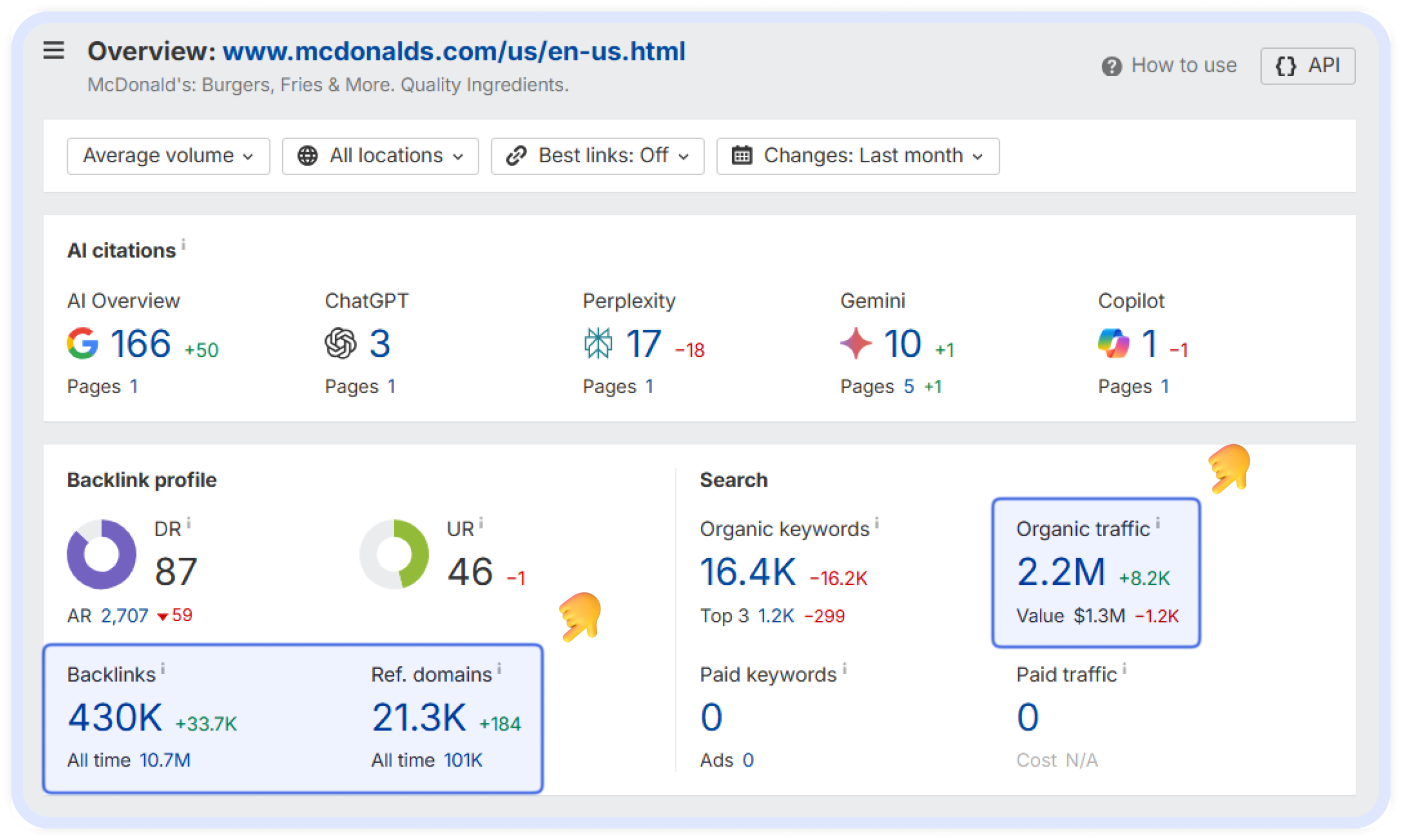
- The organic traffic profile of the referring domain
- Editorial placement within meaningful content
- Historical consistency of linking behavior
A single well-placed reference from a trusted niche site can outweigh dozens of low-value mentions scattered across irrelevant pages.
Where SEO Professionals Actually Acquire Links
Behind the scenes, link acquisition is less mysterious than it appears. It typically flows through a handful of established channels:
1. Curated SEO agencies
These providers manage relationships with publishers and arrange contextual placements across niche-relevant sites. Quality varies widely depending on their vetting process.
2. Guest post networks
These platforms act as marketplaces where publishers offer article placements. Metrics are often highlighted, but real-world traffic quality is the true differentiator.
3. Direct outreach campaigns
Marketers negotiate individually with site owners, often exchanging content value for inclusion within existing articles or new editorial pieces.
4. Controlled blog ecosystems
Some networks operate clusters of websites designed to distribute authority signals. These systems can appear effective initially but may leave detectable structural footprints.
Among widely discussed providers in SEO communities is Rankers Paradise, often mentioned for its emphasis on curated placements and niche-aligned editorial integration rather than purely metric-driven listings.
The High-Risk Layer Hidden Beneath Cheap Offers
One of the most overlooked realities in SEO is how fragile artificially structured link patterns can be.
Warning signals that often precede ranking instability include:
- Sudden bursts of unrelated referring domains
- Repeated anchor patterns with identical phrasing
- Sites sharing identical templates or hosting footprints
- Thin content surrounding outbound references
Search systems are increasingly effective at mapping these patterns and discounting or devaluing them over time.
The Reality of Low-Cost Link Packages
Budget-friendly link deals often appear attractive because they promise scale. However, scale without legitimacy introduces volatility.
Common drawbacks include:
- Overused domains with declining authority
- Minimal editorial oversight
- Content generated purely to host outbound references
- Weak or irrelevant topical alignment
While results may appear quickly, they often fade once algorithms reassess link authenticity.
A Turning Point Decision in Modern SEO Strategy
At a certain stage of growth, website owners face a strategic fork: continue relying solely on organic acquisition or accelerate authority building through external placements.
Some marketers choose to buy backlinks as a tactical shortcut to compete in saturated niches, but this decision carries long-term implications depending on execution quality and source credibility.
How to Evaluate a Link Source Properly
Instead of focusing on surface-level metrics, experienced SEO operators examine deeper indicators:
- Whether the site receives consistent organic traffic
- The relevance of its content ecosystem
- Editorial standards and writing quality
- Placement context surrounding outbound references
- Historical stability of the domain
These signals often reveal more about long-term value than any third-party metric.
Avoiding PBN Traps Without Guesswork
Private blog networks remain one of the most debated tools in SEO. While they can generate short-term movement, their structural risks are well documented.
Red flags include:
- Interlinked sites with no independent audience
- Reused design templates across multiple domains
- Over-optimized anchor repetition
- Lack of genuine brand identity or engagement
The core issue is not just detection—it’s devaluation. Once identified, these links often lose impact rather than triggering immediate penalties.
Smarter Link Strategy for Long-Term Stability
A sustainable approach focuses on compounding trust rather than aggressive scaling:
- Prioritize relevance over raw authority scores
- Build gradual diversification of referring domains
- Favor editorial environments with real readership
- Emphasize contextual integration instead of isolated mentions
This approach tends to produce slower initial movement but significantly stronger long-term resilience.
Final Perspective
Link acquisition remains one of the most powerful levers in search visibility, but it is also one of the easiest areas to mismanage. The difference between growth and instability is rarely obvious at first—it emerges over time as search systems reassess patterns and recalibrate trust.
The strongest strategies are not built on volume alone, but on deliberate placement choices that align with real editorial ecosystems and sustainable authority signals.