In the ever-evolving world of SEO, web 2.0 backlinks have emerged as a cornerstone strategy for boosting domain authority and search engine rankings. Unlike conventional backlinks, web 2.0 platforms allow marketers to construct unique mini-websites, each serving as a potent source of link juice. Understanding how to harness these backlinks effectively can transform your SEO campaigns and propel your website ahead of competitors.
What Are Web 2.0 Backlinks?
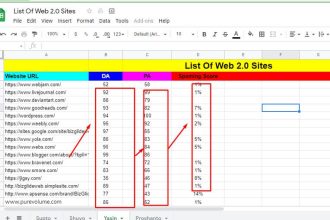
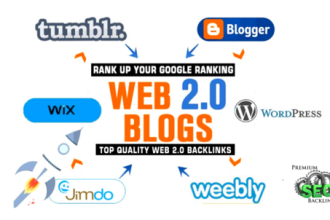
Web 2.0 backlinks are links generated from platforms that allow users to create content-rich pages, such as WordPress.com, Blogger, Wix, and Medium. These backlinks are considered highly valuable because they come from fresh, user-generated content on reputable domains. Unlike traditional backlinks, web 2.0 backlinks give you full control over the anchor text, content, and link placement, enabling a more strategic approach to SEO.
Why Web 2.0 Backlinks Matter
Implementing web 2.0 backlinks can:
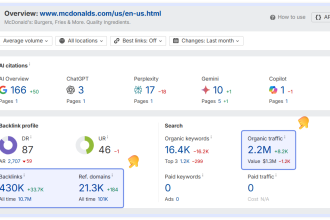
- Amplify Domain Authority: Search engines perceive links from authoritative web 2.0 platforms as credible signals.
- Diversify Link Profile: Using multiple platforms reduces the risk of over-reliance on a single source.
- Enhance Content Reach: Well-crafted web 2.0 pages can drive traffic independently while funneling link equity to your main site.
Step--Step Guide to Creating a Web 2.0 Link Wheel
A web 2.0 link wheel is a strategic arrangement where several web 2.0 properties interlink with each other and ultimately point to your main website. Follow these steps to craft an effective link wheel:
1. Identify Strong Platforms
Select web 2.0 platforms with high domain authority and active communities. Popular choices include WordPress, Blogger, Medium, and Wix. Ensure these platforms allow multiple backlinks within content, giving you room to weave your links naturally.
2. Build Unique Properties
Instead of duplicating content, create distinctive posts for each web 2.0 property. Inject your articles with compelling narratives, multimedia elements, and relevant keywords. Each page should stand alone as valuable content while subtly pointing toward your main site.
3. Interlink Strategically
Link your web 2.0 properties to one another in a circular pattern, forming the “wheel.” For example, Property A links to Property B, Property B links to Property C, and Property C circles back to Property A. This interconnection distributes link equity efficiently while appearing organic to search engines.
4. Anchor Text Variation
Avoid repetitive anchor text. Diversify phrases naturally to target multiple keyword variations. This enhances relevance and prevents penalties from search engines while boosting the effectiveness of each backlink.
5. Point to Your Main Site
Finally, ensure that each web 2.0 property links to your primary website. These backlinks should appear seamlessly in context, providing real value to readers while transferring authority to your domain.
Best Practices for Sustainable Results
- Maintain Quality: Prioritize engaging content over quantity. Search engines reward meaningful contributions.
- Update Regularly: Refresh your web 2.0 properties periodically to retain relevance and authority.
- Monitor Performance: Use SEO tools to track traffic, rankings, and the impact of each web 2.0 backlink.
Conclusion
Web 2.0 backlinks remain a formidable tool in modern SEO when executed with precision. By constructing a well-orchestrated link wheel, you can maximize authority, diversify your link profile, and drive consistent traffic to your website. Each web 2.0 property becomes a cog in your link wheel, spinning valuable equity back to your main domain while establishing a presence across multiple platforms.
Frequently Asked Questions
Q1: How many web 2.0 properties should I use in a link wheel?
Aim for 5–10 properties for a beginner-friendly setup. Too many can become difficult to manage and may appear unnatural to search engines.
Q2: Can I reuse the same content across multiple web 2.0 sites?
No. Duplicate content can harm SEO. Each property should have unique, engaging content to maximize link effectiveness.
Q3: How often should I update web 2.0 properties?
Ideally, update each property every 2–4 weeks to maintain relevance and authority in search engines.
Q4: Are web 2.0 backlinks effective in 2025?
Yes, when combined with high-quality content and a diversified link profile, web 2.0 backlinks remain a strong tactic in modern SEO.
Q5: Can I automate a web 2.0 link wheel?
Automation exists, but manual creation is strongly recommended to maintain natural interlinking and content quality.