Navigating daily life with a mobility limitation can feel like wading upstream. Parking shouldn’t be the hardest part of your trip, yet for many Hoosiers, it often is. Thankfully, Indiana offers a practical solution that quietly removes one everyday obstacle—if you know how to claim it the right way.
This guide breaks down the process with clarity, real-world tips, and insider nuances so you can move from confusion to confidence without unnecessary delays.
What a Handicap Placard Actually Does (Beyond the Obvious)
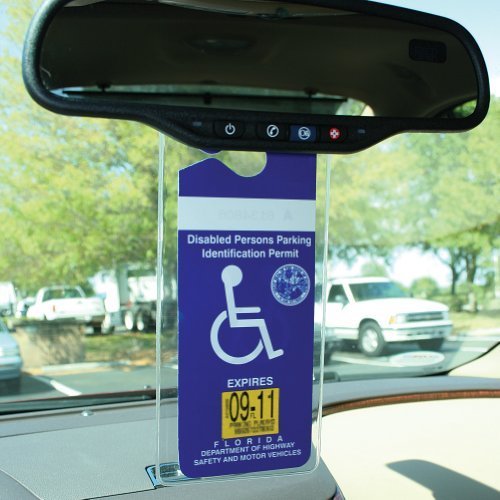
A disability parking placard is more than a blue tag hanging from a mirror. It grants legal access to designated parking spaces closer to entrances, wider lanes for wheelchair access, and safer transitions in crowded lots. In Indiana, these privileges apply across public streets, government buildings, hospitals, and most private parking areas open to the public.
The state issues both temporary and permanent versions, each designed around the length and nature of a medical condition.
Who Qualifies in Indiana?
Eligibility hinges on functional limitations rather than diagnoses alone. You may qualify if you:
- Struggle to walk 200 feet without stopping
- Use mobility aids like a wheelchair, brace, cane, or walker
- Experience severe cardiac, lung, or neurological impairments
- Have vision loss meeting specific thresholds
A licensed medical professional must confirm that your condition significantly restricts mobility. Guesswork won’t cut it—documentation matters.
The Step--Step Application Process (Without the Headaches)
1. Get the Right Form
Download State Form 42070 from the Indiana Bureau of Motor Vehicles website or pick it up at a local branch.
2. Complete Your Section Carefully
Fill out personal details neatly. Sloppy handwriting can stall approval longer than you’d expect.
3. Secure Medical Certification
A physician, chiropractor, advanced practice nurse, or optometrist must complete and sign their portion. Incomplete signatures are a common rejection trigger.
4. Submit Your Application
You can mail it or hand-deliver it to a BMV location. Permanent placards are issued at no cost; temporary ones require a modest fee.
Timing Tricks That Save Weeks
- Apply early if your condition is worsening—processing isn’t instant
- Double-check expiration dates to avoid accidental lapses
- Renew before it expires, especially for permanent disabilities that still require periodic updates
One overlooked delay can force you back into distant parking spots overnight.
Smart Usage Rules Most People Miss
Misuse carries fines and revocation risks. Keep these in mind:
- The placard must only be used when the approved individual is present
- It should be clearly visible while parked
- It does not permit parking in fire lanes, bus zones, or no-parking areas
Respecting these boundaries protects access for everyone who truly needs it.
One Final Insight Most Applicants Overlook
The Indiana handicap parking placard isn’t tied to a vehicle—it follows the person. That means you can legally use it in any car you’re riding in, whether driven a friend, caregiver, or family member.
That flexibility alone can quietly transform daily routines.
Closing Thought
Mobility challenges already demand enough mental and physical energy. Parking convenience shouldn’t drain what little you’re trying to conserve. With the right preparation and a clear understanding of Indiana’s process, you can reclaim time, reduce stress, and move through your day with fewer barriers in the way.