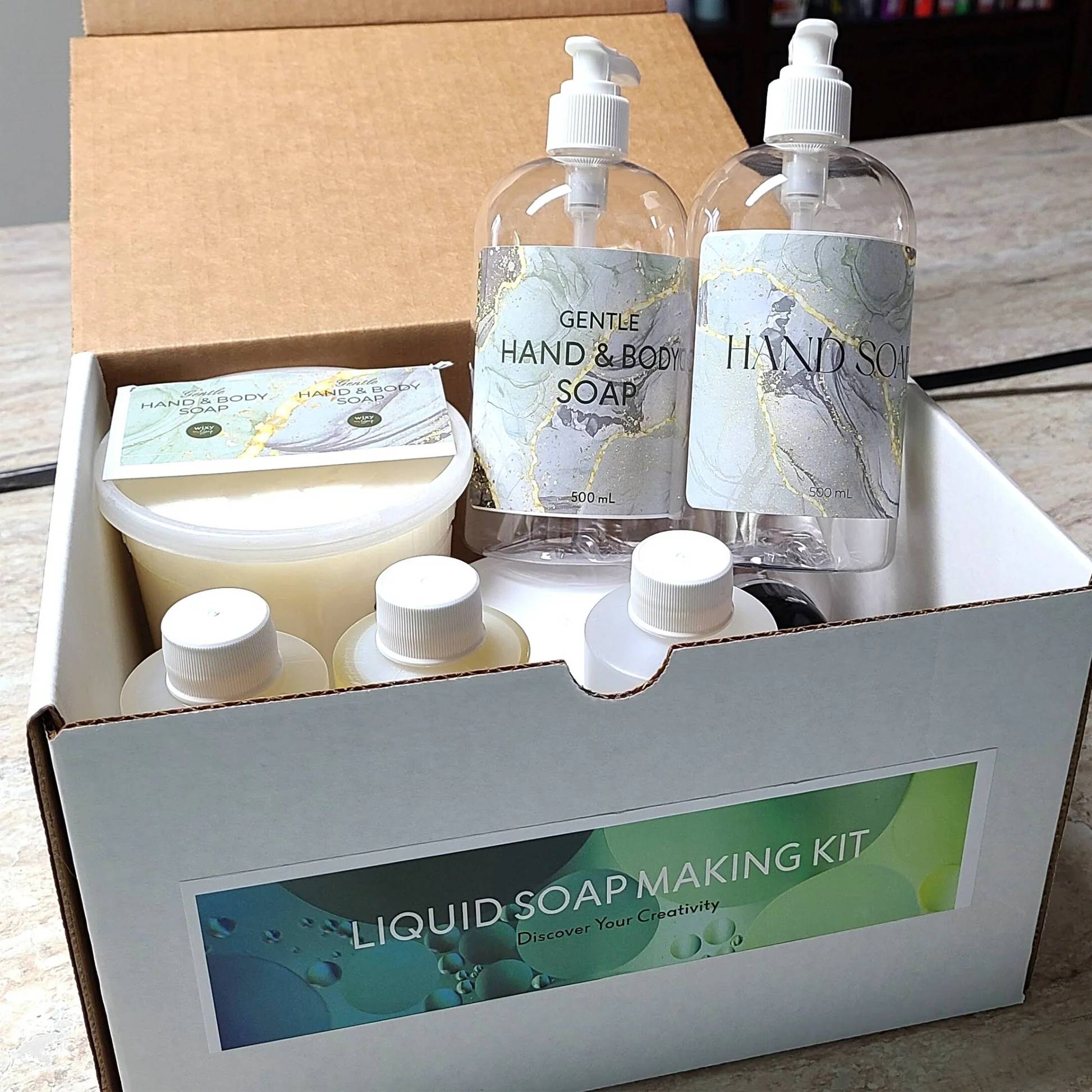
If you’ve ever dreamed of turning your bathroom shelf into a colorful gallery of handmade creations, a soap making kit can be your gateway. But with the multitude of options on the market, choosing the right one requires more than a glance at the packaging. Let’s unravel the essentials, from supplies to techniques, to ensure your first batch of soaps doesn’t end up a soggy disaster.
What Supplies Do I Need for Soap-Making?
Starting from scratch may seem intimidating, but the core ingredients are surprisingly straightforward. Beyond the soap base itself, you’ll need measuring tools, mixing bowls, spatulas, molds, and safety equipment like gloves and goggles. Many kits streamline this process providing pre-measured ingredients, leaving you free to explore your artistic instincts. Essential oils, colorants, and exfoliants can elevate your soaps, turning a simple bar into a sensory experience.
Is Making Soap Profitable?
Crafting soap isn’t just a hob—it can morph into a side hustle or even a full-fledged business. Artisanal soaps command premium prices, particularly if they boast organic ingredients, unique scents, or striking visual designs. However, profitability depends on your ability to source quality materials affordably, market your creations effectively, and consistently produce batches that delight both the eye and the skin.
How Do I Start Making My Own Soap?
The simplest route is to pick a beginner-friendly kit and follow the instructions meticulously. Many enthusiasts suggest starting with melt-and-pour methods before attempting more advanced techniques like cold process. Experiment with molds, color layers, and scents, and soon you’ll discover your signature style. Documentation helps, too: note your ratios, curing times, and fragrance combinations to perfect your future batches.
What Are the Best Fragrances for Soap Making?
Fragrance selection is a playground of possibilities. Citrusy scents like orange and grapefruit invigorate mornings, while lavender or chamomile offer calming night-time companions. Exotic choices—patchouli, ylang-ylang, or sandalwood—can lend an earthy, sophisticated twist. Combining complementary scents can create unique, unforgettable aromas, enticing your friends, family, and potential customers alike.
What is Cold Process for Soap Making?
Cold process soap-making is the artisanal cornerstone. It involves blending oils and lye to trigger saponification, a chemical dance that transforms liquid oils into solid soap. Unlike melt-and-pour methods, cold process allows full control over texture, fragrance, and additives, resulting in bars that are luxurious and long-lasting. Patience is key, as curing can take several weeks, but the reward is worth every moment.
What is the Best Organic Soap Making Kit?
For those who prefer pure, chemical-free creations, organic kits are a game-changer. They typically include sustainably sourced oils, natural colorants, and botanical fragrances. The best options balance quality with ease of use, enabling beginners to craft vibrant, skin-friendly soaps without compromising on ethics or aesthetics.
Whether you want to indulge your creativity, gift thoughtful handmade bars, or explore a niche business, the right kit can make all the difference. Investing in high-quality supplies and educating yourself on techniques ensures that every batch sings with color, fragrance, and personality.