Search algorithms evolve, penalties tighten, and link schemes collapse overnight—yet smart marketers continue to carve out rankings using strategic, carefully structured Web 2.0 backlinks. The difference between success and a spam-triggered disaster lies in execution. Done recklessly, they implode. Built with patience and intent, they amplify authority, diversify link profiles, and strengthen long-term visibility.
Let’s break down how to build them safely, which platforms carry real weight, and whether they’re still worth your time today.
What Are Web 2.0 Backlinks?
Web 2.0 properties are user-generated publishing platforms that allow individuals to create content on high-authority domains. Instead of begging for guest posts, you build your own branded micro-site within an established ecosystem.
Think of it as renting space in a digital skyscraper instead of constructing a cabin in the woods.
These platforms usually allow:
- Custom articles
- Contextual outbound links
- Multimedia embedding
- Brand positioning
Because the root domains often carry strong trust signals, links placed naturally within quality content can pass measurable value.
Are They Still Effective in 2026?
Short answer: yes — but only when treated like real assets.
Search engines now dissect:
- Content depth
- Relevance
- Link placement
- Publishing velocity
- Anchor text diversity
Thin posts stuffed with keywords collapse under scrutiny. However, well-written niche-relevant articles hosted on authoritative platforms can still contribute to:
- Link diversity
- Tiered link building strategies
- Brand footprint expansion
- Indexation support
They’re no longer a shortcut. They’re a support structure.
How to Build Them the Safe Way
1. Build a Real Brand Profile
Avoid random usernames like “bestseocheap2026.”
Create branded accounts with:
- A profile image
- A short bio
- Consistent niche positioning
Make the account look like it belongs to a human.
2. Publish Value-Driven Content
Each property should contain:
- 800–1,200 words
- Structured headings
- Internal links (within the platform)
- Images or embedded media
Write something that could stand alone without the outbound link. If the link disappeared, the article should still make sense.
3. Use Contextual Placement
Avoid dropping links in author bios only.
Instead, weave one into a relevant paragraph naturally.
Example:
“When structuring a diversified link profile, many marketers still leverage web 2.0 backlinks as part of a layered authority strategy.”
That feels organic. Forced anchors do not.
4. Diversify Anchor Text
Use:
- Branded anchors
- Naked URLs
- Partial match phrases
- Generic anchors like “learn more”
Over-optimized anchors invite algorithmic suspicion.
5. Drip Feed, Don’t Flood
Publishing ten properties in one afternoon screams automation.
Spread creation across weeks. Let them age. Add occasional updates.
Search engines reward patience.
Best High-Authority Platforms to Use
Here are reputable Web 2.0 platforms that still carry strong domain authority:
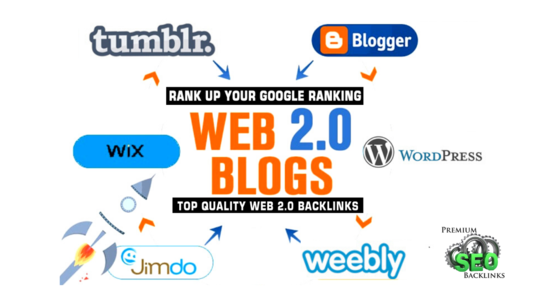
- Medium – Excellent for long-form thought leadership
- WordPress.com – Flexible and trusted
- Blogger – Backed Google infrastructure
- Tumblr – Useful for niche communities
- Weebly – Easy site builder
- Wix – Allows clean branded microsites
- Strikingly – Quick single-page authority builds
These platforms hold substantial trust metrics, making them ideal for strategic link placement.
Example of a Properly Built Web 2.0 Property
Imagine you run a digital marketing agency.
You create:
- A branded WordPress.com blog
- A 1,100-word article about local SEO strategies
- Two internal links within the post
- One contextual link pointing to your agency’s case study page
The article includes images, structured subheadings, and helpful insights.
That’s a real asset—not a throwaway link page.
Common Mistakes That Kill Results
Avoid these at all costs:
- Spinning content
- Copying blog posts from your main site
- Exact-match anchor repetition
- Publishing empty 300-word filler
- Linking to unrelated niches
Every shortcut increases risk.
Are They Worth It Today?
If you’re expecting instant ranking spikes, you’ll be disappointed.
If you’re building:
- A diversified backlink profile
- Tier 2 reinforcement links
- Branded SERP dominance
- Supplemental authority signals
Then yes, they absolutely remain relevant.
The key is treating each property like a miniature brand extension rather than disposable scaffolding.
Final Thoughts
SEO has matured. Tactics that once worked blindly now demand precision.
Web 2.0 backlinks still offer strategic value—but only when built thoughtfully, written with intent, and integrated into a broader authority framework. They are not magic bullets. They are supporting beams.
Approach them with craftsmanship instead of haste, and they can quietly strengthen your rankings while competitors chase shortcuts that eventually crumble.